

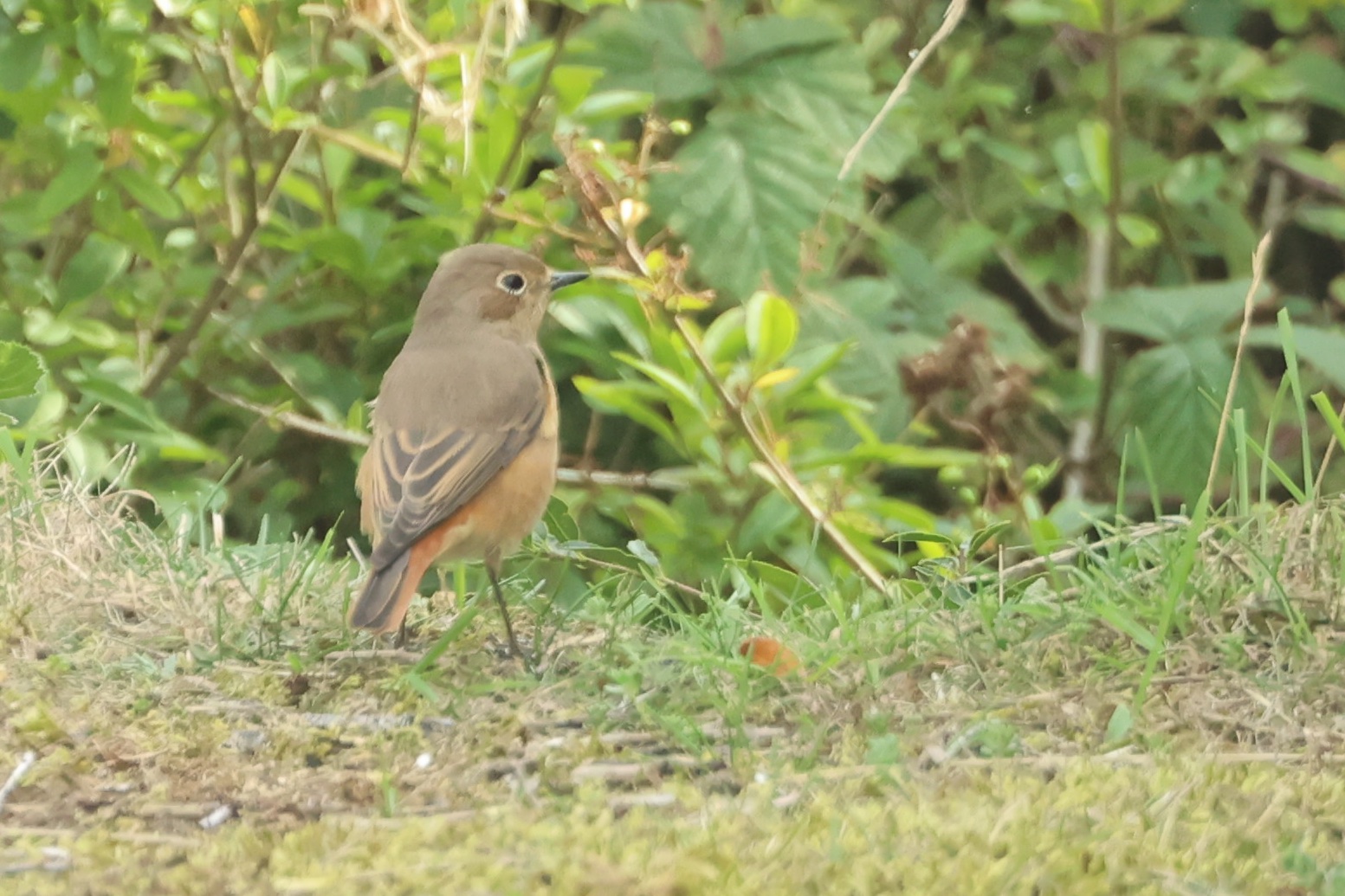
It eventually made an appearance on the grass lawn behind the Riverside Hotel.
 Whinchat: Citrine wags breed on the windsweapst tundra and meadows in parts of northern and eastern Europe and north-central Asia, they winter in south Asia there aren't many annual records so when one turns up and shows well it tends to be a bit of a draw.
 Pied Flycatcher: Spurn was littered in common migrant birds we found at least six pied flies, countess whinchat, a handful of common restart and willow warblers.
 Willow Warbler: We scanned almost every hawthorn, peered in ever hedge and looked at miles of buckthorn and still no scarce migrant warblers.
 Fox: We even walked the long walk to the point after a late report of a wryneck came out, the walk defiantly helped out step count but not our legs.


No scares birds but we did have an unusual encounter with this fox, as it came out from behind the lighthouse and walked right up to us. It stoped and started at us, within touching distance then walked off.
It didn't look too well and I suspect that some visitors who walk down there may be feeding it as it appeared really tame.
 Pied Flycatcher: The buckthorn and wind burned tree stumps held several pied flies but not much else.
 Fox: Spbesquently since I came back from Spurn I have learned that this 'Lighthouse Fox' is a bit of a regular and is often seen taking food from folk who venture down. It has also been reported by the BBC that the fox has befriended the crew at an East Yorkshire lifeboat station who gave it the original name Basil.
 Common Redstart: Bacon ponds was particularly
 Curlew Sandpiper: Curlew sands are slim, pale buff waders compared to dunlin which they can be confused with. Curlew sands breed on the Siberian tundra, a quarter-span of the globe to the east of Britain. In autumn, they head south, west and east, to spend the winter as far apart as west Africa and New Zealand.
 Sparrowhawk: I always enjoy my visits to Spurn but combined with a night away in its observatory accommodation this trip was particularly good. Very enjoyable birding, company and evening drinks in the Crown. Brilliant.


productive especially as high tide rolled in and the wader numbers built up.
 Wood Sandpiper: Hundreds of dunlin, redshank, ringed plover and black-tailed godwits filled the pools along with five curlew sandpiper and a single wood sandpiper. Two red-neck pals were also here feeding on the flies skimming across the shallow water.


